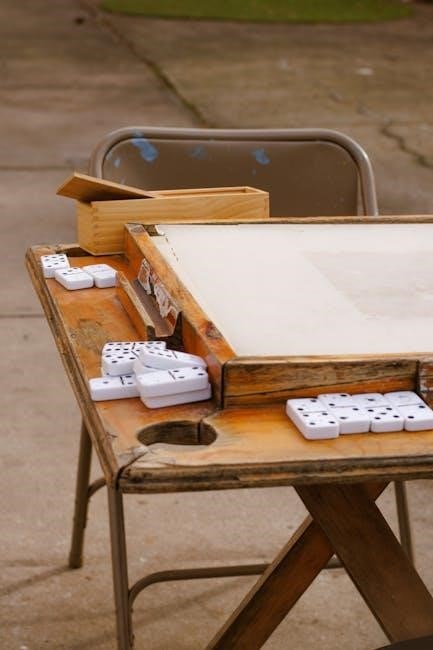
Shut the Box: A Comprehensive Guide
Shut the Box is a captivating game of chance and strategy, demanding players skillfully close numbered tiles based on dice rolls․ A single open ‘1’ tile alters gameplay, reducing rolls to one die, impacting scoring and strategic decisions significantly․
What is Shut the Box?
Shut the Box is a traditional pub game, steeped in history and enjoyed by players of all ages․ It’s a game of luck, probability, and strategic thinking, typically played with numbered tiles – usually from 1 to 9 – and a set of dice․ The core objective is deceptively simple: to “shut” all the numbered tiles by rolling the dice and then either matching the roll to a single open tile or combining tiles to equal the dice total․

The game begins with all tiles flipped up, representing ‘open’ numbers․ Players take turns rolling the dice and attempting to close tiles․ A crucial element arises when only the ‘1’ tile remains open; the rules often dictate a single die is rolled, dramatically altering the strategy․ Successfully closing all tiles constitutes a “shut box,” and the game continues with scoring based on the remaining open tiles․
It’s a game where every roll presents a new puzzle, demanding quick calculations and a bit of risk assessment․ The interplay between chance and skill makes Shut the Box endlessly replayable and engaging․
The History of Shut the Box
The origins of Shut the Box are somewhat shrouded in mystery, though its roots trace back to medieval England․ Evidence suggests the game evolved from earlier dice games played in pubs and taverns, becoming particularly popular during the Victorian era․ Originally, the tiles weren’t numbered sequentially but represented various monetary values, reflecting wagers placed during gameplay․
Traditionally, the game was often crafted using readily available materials – wooden boxes and bone or wooden tiles․ It gained significant traction in public houses across the British Isles, becoming a staple pastime for patrons․ The game’s portability and simple rules contributed to its widespread appeal․
Over time, the monetary values were standardized to the numerical sequence we recognize today (1-9 or 1-10)․ While its precise evolution remains unclear, Shut the Box has endured for centuries, demonstrating its timeless appeal and strategic depth․ It continues to be enjoyed globally, both in traditional pub settings and in modern adaptations․
Components of the Game

A standard Shut the Box game comprises a wooden box, typically hinged, containing nine (or ten) numbered tiles․ These tiles, traditionally made of wood or bone, are hinged along the top edge of the box, allowing them to be flipped down – “closed” – during gameplay․ The numbers usually range from 1 to 9, though some variations extend to 10․
Crucially, the game requires a set of dice – usually six standard six-sided dice․ The number of dice used can sometimes vary depending on the specific rules being followed, with some versions employing only one or two dice for certain stages of the game․
The box itself serves as both the game board and a convenient storage container for the tiles and dice․ Quality sets often feature a smooth, durable finish on the box and tiles, enhancing the tactile experience․ A well-maintained set ensures years of enjoyment for players of all ages․
Setting Up the Game
To begin a game of Shut the Box, first, ensure all numbered tiles within the box are standing upright – “open”․ This represents the initial state where all numbers from 1 to 9 (or 10) are available to be closed․ Place the dice within easy reach of all players; typically, six dice are used, though rule variations exist․
Decide who will go first․ This can be determined randomly, or by a simple agreement amongst the players․ The first player will then take the dice and initiate the first roll․ Ensure there’s ample space around the box for comfortable dice rolling and tile manipulation․
It’s helpful to establish a clear understanding of the scoring system before starting, especially if playing with variations․ A designated scorekeeper can streamline the process․ With the tiles open and dice ready, the game is prepared for an exciting round of strategic number closing!

Gameplay: Basic Rules
Shut the Box gameplay revolves around rolling the dice and “closing” tiles that match the sum of the roll․ On a player’s turn, they roll all the dice․ They then select tiles whose numbers add up exactly to the total rolled․ For example, a roll of 6 could close tiles 6, 1 & 5, or 2 & 4․
Crucially, players must close tiles if a valid combination exists․ If no combination matches the roll, the turn passes to the next player․ Closed tiles remain face down for the remainder of the game․ A key rule dictates that any closed panels on a turn always have the same sum, impacting the score consistently․
The game continues with players taking turns rolling and closing tiles until either all tiles are closed (“Shut the Box!”) or no further valid combinations can be made․ The objective is to minimize your score by closing as many tiles as possible․
Understanding the Dice Roll
The dice roll is the engine of Shut the Box, dictating which tiles players can attempt to close on their turn․ Typically, the game begins with two dice, offering a possible range of outcomes from 2 to 12․ Mastering the probabilities associated with each roll is fundamental to strategic play․

However, a significant rule modification occurs when only the ‘1’ tile remains open․ In this scenario, players roll only one die, limiting the possible outcomes to 1 through 6․ This shift dramatically alters the game’s dynamics, increasing the importance of carefully considering each roll․
Understanding that each roll presents a unique set of possibilities, and that players must close tiles if a valid combination exists, is crucial․ Recognizing the potential combinations for each number is key to maximizing tile closures and minimizing your final score․
The Core Mechanic: Closing Numbers
The central action in Shut the Box revolves around “closing” numbered tiles․ After each dice roll, players must select tiles whose sum equals the rolled number․ For instance, a roll of 6 could be achieved by closing tiles 1 & 5, 2 & 4, or simply the 6 tile itself, if available․
A critical rule dictates that any tiles closed on a single turn always sum to the value of the dice roll․ This consistency is vital for score calculation and strategic planning․ Players aren’t permitted to selectively close tiles to manipulate future turns; the roll dictates the closure possibilities․
Successfully closing tiles reduces the player’s score, with the ultimate goal being to close all tiles – “shutting the box․” The strategic challenge lies in choosing which tiles to close to maximize closures and minimize the remaining open tiles, especially considering the single-die rule when only ‘1’ remains․
Shutting the Box: Achieving the Goal
The ultimate objective in Shut the Box is to successfully “shut the box” – meaning to close all numbered tiles before your opponent․ This is accomplished through a combination of strategic tile closures and a bit of luck with the dice rolls․ Each turn presents a new puzzle, demanding players carefully assess available tiles and potential combinations․
As tiles are closed, the game evolves, and the remaining open tiles dictate the difficulty of subsequent rolls․ A well-executed strategy involves anticipating future rolls and proactively closing tiles that will leave favorable options․ The game’s tension builds as fewer tiles remain open, increasing the pressure to make optimal decisions․
Successfully shutting the box requires not only recognizing immediate closure possibilities but also considering the long-term implications of each move․ Mastering this balance is key to consistently winning at Shut the Box․
Scoring in Shut the Box
Shut the Box scoring centers around the sum of the remaining open tiles after each player’s turn․ The core principle is simple: the lower your score, the better․ Each open tile contributes its numerical value to your total score․ Therefore, strategically closing higher-numbered tiles early in the game is crucial for minimizing potential penalties․
A key element of scoring is understanding that each turn’s closures always reduce your score by the same amount as the dice roll․ This consistency allows players to predict score changes and plan accordingly․ When only the ‘1’ tile remains, the scoring dynamic shifts, as only a single die is rolled, limiting closure possibilities․
The game concludes when all tiles are closed, resulting in a score of zero – a perfect outcome․ Otherwise, the player with the lowest cumulative score after a predetermined number of rounds, or when no further legal moves are possible, wins the game․
Variations in Rules
Shut the Box, while possessing core mechanics, exhibits delightful rule variations across different regions and player groups․ Some variations modify the initial setup, altering the number of tiles used – typically ranging from 1 to 9, or even extending to 10 or 12․ Others introduce restrictions on consecutive turns, preventing a player from dominating the game with repeated successes․
A common alteration involves the dice used; some players opt for two six-sided dice, while others employ a single die, particularly when only the ‘1’ tile remains open, as per some house rules․ Certain versions also incorporate a “jackpot” rule, awarding bonus points for shutting the box on the first roll․
Furthermore, scoring adjustments are frequent․ Some players deduct the dice roll total from the remaining tiles, while others simply add the tile values․ These variations add replayability and cater to different skill levels, ensuring a dynamic gaming experience․
Single Player Shut the Box
Solo Shut the Box transforms the competitive game into a compelling personal challenge, testing your strategic prowess against the inherent randomness of the dice․ The objective remains the same: to close all the numbered tiles․ However, the gameplay shifts to a series of calculated risks and maximizing tile closures with each roll․
Typically, a single-player game begins with all tiles open․ You roll both dice and attempt to close tiles summing to the rolled value․ The challenge lies in efficiently reducing the available numbers, aiming for a complete “shut” within a limited number of rolls – often self-imposed to increase difficulty․
Strategic thinking is paramount․ Prioritizing the closure of higher-value tiles early on can create more favorable combinations later․ The single ‘1’ tile presents a unique hurdle, requiring a precise roll to achieve victory․ It’s a fantastic way to hone your skills!

Shut the Box Strategy: Beginner Level
For newcomers to Shut the Box, a foundational strategy centers around consistently closing tiles, regardless of immediate scoring implications․ Focus initially on reducing the number of open tiles, creating more opportunities for subsequent turns․ Don’t overthink complex combinations; prioritize any valid closure․
A key beginner tactic involves targeting tiles that offer multiple closure options․ For example, closing the ‘6’ early allows for combinations like 1+5, 2+4, or 3+3 later in the game․ This flexibility is crucial when dice rolls don’t perfectly align with your desired outcome․
Be mindful of the ‘1’ tile․ While tempting to leave it for a guaranteed closure, it can restrict your options if it remains open late in the game․ A balanced approach, aiming for consistent closures, is the cornerstone of beginner success․
Shut the Box Strategy: Intermediate Level
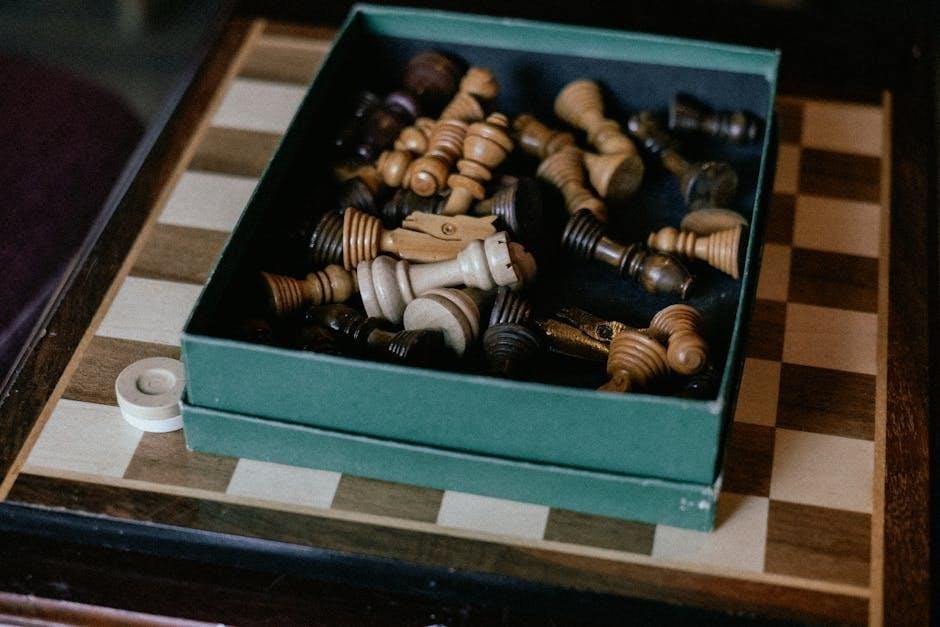
Moving beyond basic closures, intermediate players should prioritize minimizing their potential score reduction with each roll․ Recognizing that each turn’s closure sum remains constant, anticipate how different tile combinations will impact your overall score․ Aim to close tiles that collectively offer lower sums․

Strategic foresight is key․ Consider future rolls and how they might interact with remaining open tiles․ For instance, if several low-numbered tiles are open, closing a higher number might create more favorable combinations later․ This requires visualizing potential outcomes․
The ‘1’ tile’s influence becomes more pronounced․ Delaying its closure can be advantageous if it opens opportunities for larger, more efficient combinations․ However, assess the risk – a poorly timed roll could leave you unable to close it, resulting in a significant penalty․
Shut the Box Strategy: Advanced Level ― Targeting Combinations
Master players don’t just react to rolls; they proactively engineer situations․ Advanced strategy centers on deliberately leaving specific tile combinations open to maximize closure opportunities on subsequent turns․ This involves calculating probabilities and anticipating likely dice outcomes․
Focus on creating ‘forced closures’ – scenarios where a particular roll must close certain tiles, guaranteeing a positive outcome․ This often involves leaving tiles that sum to common dice roll totals (7, 8, 9, etc․)․
The single-die roll with only the ‘1’ remaining demands precise calculation․ Experienced players understand the odds and will strategically position themselves to ensure a successful closure․ Furthermore, they’ll recognize when deliberately avoiding certain closures is beneficial for long-term gain, even if it means a slightly higher immediate score reduction․

The Significance of the ‘1’ Tile
The ‘1’ tile holds a uniquely pivotal position in Shut the Box, dramatically altering the game’s dynamics․ When it’s the sole remaining tile, the rules mandate a reduction in dice used – players roll only one die instead of two․ This seemingly small change significantly impacts probability and strategic considerations․

A single die roll halves the potential outcomes, increasing the chance of failing to close the ‘1’․ Consequently, advanced players prioritize strategies to avoid isolating the ‘1’ until they’ve maximized closures elsewhere․
Successfully shutting the box with the ‘1’ remaining is a testament to skillful play and a bit of luck․ It represents a complete victory, demonstrating mastery of both chance and calculated risk․ The ‘1’ isn’t just a number; it’s the ultimate challenge․
Adjusting Strategy Based on Remaining Tiles
Strategic flexibility is paramount in Shut the Box, demanding players constantly reassess their approach based on the tiles still open․ Early in the game, focus on closing higher numbers, maximizing potential score reduction with each roll․ As more tiles close, shift towards targeting combinations that efficiently eliminate remaining options․
When only a few tiles remain, particularly lower numbers, precision becomes crucial․ Consider the probability of rolling the exact sum needed to close them․ Prioritize tiles that offer multiple closure possibilities with common dice combinations․
Remember, any closed panels always sum to the same amount as the roll, influencing future decisions․ Adapting to the evolving board state—and understanding how each roll impacts the remaining possibilities—is key to consistent success․
Probability and Shut the Box
Understanding probability significantly enhances your Shut the Box gameplay․ While luck plays a role, informed decisions based on statistical likelihood improve your odds․ Consider the possible outcomes of each dice roll – with two dice, a ‘7’ is the most probable result, followed by ‘6’ and ‘8’․
As tiles close, recalculate the probabilities․ For instance, if high numbers are gone, the chance of achieving a specific sum decreases․ When only the ‘1’ remains, the single die roll dramatically alters the probability landscape, demanding a focused strategy․
Experienced players mentally track the remaining combinations and their associated probabilities, allowing them to make calculated risks and maximize their chances of successfully “shutting the box”․ Recognizing these patterns is crucial for consistent wins․
Shut the Box for Different Skill Levels
Shut the Box adapts beautifully to varying player expertise․ Beginners should focus on simply understanding the core mechanic – matching dice rolls to available tiles․ Early gameplay emphasizes recognizing immediate closing opportunities without complex strategic planning․
Intermediate players begin to anticipate future rolls and consider the consequences of each closure․ They’ll start to prioritize tiles that open up more options later, and recognize the importance of leaving specific numbers open for strategic advantage․
Advanced players master probability calculations and target specific combinations․ They understand the significance of the ‘1’ tile and adjust their strategy accordingly, aiming to control the game’s flow and maximize their scoring potential․ This level demands foresight and calculated risk-taking․
Common Mistakes to Avoid
Shut the Box, while simple, has pitfalls for the unwary․ A frequent error is impulsively closing tiles without considering future implications; always scan for cascading closures․ Neglecting the ‘1’ tile’s impact is another common mistake – remember the single-die roll when it’s the only tile remaining!
Players often fail to account for probability, assuming equal chances for all rolls․ Understanding that certain combinations are more likely than others is crucial for strategic play․ Overlooking opportunities to force opponents into unfavorable positions is also detrimental․
Finally, many beginners don’t fully grasp the scoring system, leading to suboptimal decisions․ Consistently analyzing the board and anticipating potential outcomes will dramatically improve your game and minimize these common errors․
Shut the Box: Online and Digital Versions
Shut the Box has seamlessly transitioned into the digital realm, offering convenient alternatives to the traditional physical game․ Numerous online platforms and mobile applications provide engaging gameplay experiences, often featuring customizable settings and varying difficulty levels․
These digital versions frequently include tutorials and hints, making them ideal for beginners learning the intricacies of the game․ Some platforms offer multiplayer modes, allowing players to compete against friends or strangers globally․ Automated scoring and rule enforcement eliminate potential disputes, ensuring fair play․
While lacking the tactile satisfaction of physical tiles and dice, digital adaptations provide accessibility and portability․ They represent a fantastic way to hone your strategy and enjoy Shut the Box anytime, anywhere, offering a modern twist on a classic pastime․
Resources for Learning More
Shut the Box boasts a surprisingly active online community, offering a wealth of information for players of all skill levels․ BoardGameGeek (BGG) serves as a central hub, featuring detailed rules explanations, strategy discussions, and user-submitted variations․ Numerous YouTube tutorials visually demonstrate gameplay and offer strategic insights, proving invaluable for beginners․
Websites dedicated to classic games often include comprehensive guides to Shut the Box, covering everything from basic setup to advanced tactics․ Online forums and social media groups provide platforms for players to connect, share experiences, and ask questions․
Exploring these resources can significantly enhance your understanding of the game’s nuances and unlock advanced strategies․ Don’t hesitate to delve into these communities – they’re brimming with passionate players eager to share their knowledge and elevate your Shut the Box experience․